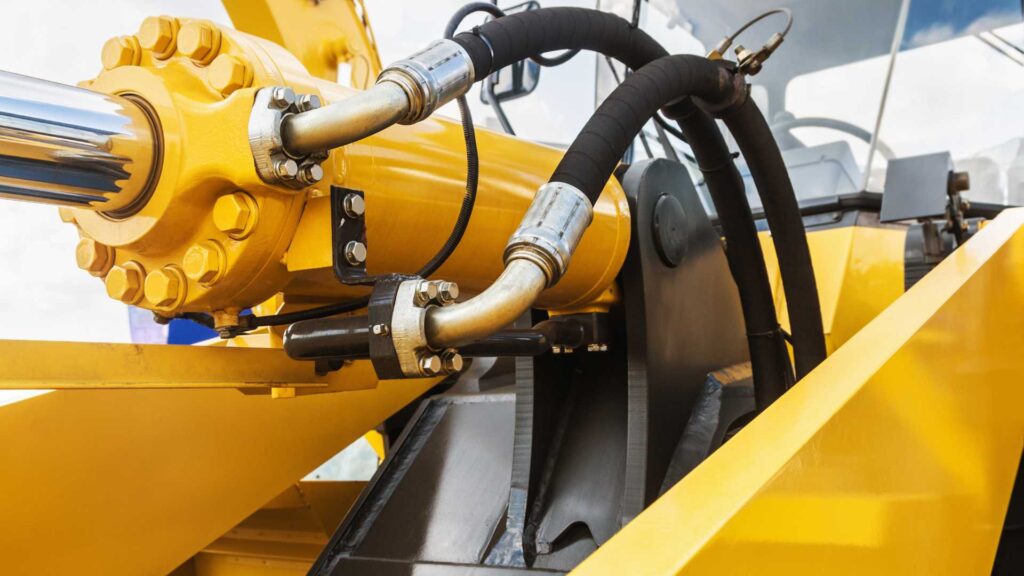
At CAPEX we service, repair, and do maintenance for hydraulic systems within industry standards adhering to the established guidelines, procedures, and specifications recognized as best practices. This involves regular visual inspections for leaks or wear, keeping the hydraulic fluid clean and at the correct level, changing filters on schedule, and monitoring system temperature and pressure. Proper, high-quality parts and operator training are also crucial for extending the life of the system and ensuring reliability.
Maintenance and service
- Regular inspections: Conduct daily or pre-shift inspections to look for leaks, loose fittings, and physical damage like cracks or abrasions on hoses and cylinders.
- Keep fluid clean: Use high-quality hydraulic fluid and replace it according to the manufacturer’s schedule to prevent contamination. Keep entry points clear of dirt and debris.
- Monitor fluid levels: Check the hydraulic fluid level regularly and add the correct type of fluid as needed to prevent air from entering the system.
- Change filters: Replace hydraulic filters on a set schedule or when a contamination indicator shows they are dirty. Clean filter bowls as well.
- Check temperature and pressure: Monitor the system’s operating temperature and pressure to ensure they are within acceptable ranges, as deviations can indicate underlying problems.
- Reduce friction: Use wear bands or guides on moving parts like rods and cylinders to reduce metal-on-metal contact.
- Use proper tools and parts: Always use the correct tools and high-quality replacement parts to avoid causing further damage.
Repair
- Address issues promptly: Don’t ignore minor problems like leaks, as they can lead to more significant failures.
- Troubleshoot: When a problem occurs, perform a thorough inspection to diagnose the issue, which may involve checking all connections and components.
- Utilize expert services: For complex issues, consider using professional repair services, as experts have the knowledge and tools to perform repairs correctly and efficiently, minimizing downtime.
Important practices
- Operator training: Ensure all operators are properly trained on safe operation and basic maintenance procedures.
- Follow manufacturer guidelines: Always refer to the manufacturer’s specifications for specific maintenance intervals, fluid types, and other care instructions.
SOME OF OUR CLIENTS: